Aluminum packaging was introduced in the late 1950s. Over the past 60 years, the market for this type of packaging has grown exponentially, reaching an annual production value of more than $100 billion today, with projections for 2020 exceeding $136 billion [1]. Metal cans and containers are one of the most widely used forms of packaging in many industries and are becoming increasingly common in others, such as the food and cosmetics industries.
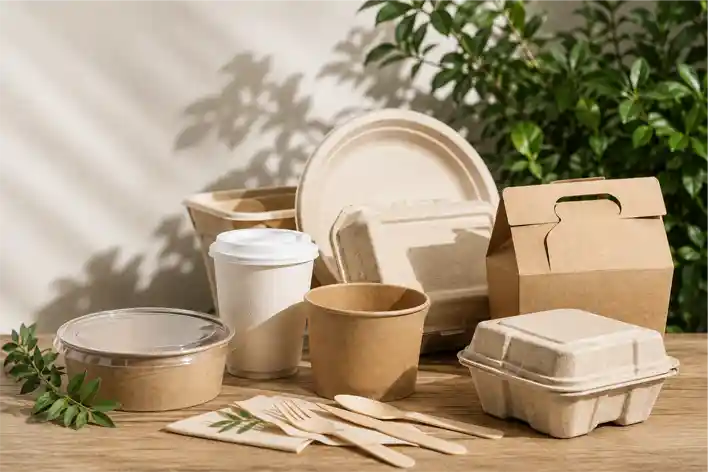
Since then, metal containers have been continuously improved to meet increasingly stringent standards and requirements, such as the shelf life of perishable goods. One improvement in metal containers used for perishable goods involves the introduction of plastic films and bags. These films and bags allow the containers to be airtight, preventing air and any contamination from entering the container. In recent years, plastic packaging has increasingly been replaced by biodegradable alternatives. These biodegradable films and bags have made great strides in recent years, and their future prospects are positive [2] [3].
History of Biodegradable Films
The idea of using natural polymers to create biodegradable containers began to be taken seriously in the 1980s [5]. Since then, more than 200,000 patents related to biodegradable packaging have been filed in the United States alone [8]. During the 1980s and 1990s, biodegradable packaging was rarely used due to several major shortcomings. Companies were unable to make it sufficiently breathable, ensure it had a long enough shelf life, and also struggled to make this packaging meet many other basic criteria [4]. But since then, biodegradable packaging has come a long way and is being used more and more.
Current Use
Biodegradable packaging has become very common for perishable goods. Biodegradable and edible films are used with many different types of products, from plums to broccoli [6]. They have even recently been used to prevent microbial growth on raw meat. Another, much less well-known use of biodegradable films is in cosmetics and other products that must be kept away from air. Such products are often packaged in tin and aluminum containers, which are sealed using biodegradable alternatives. This technique is increasingly common and is expected to become even more widespread.
Despite this, biodegradable packaging accounted for only about 1% of plastic packaging in 2016. Annually, 400 million metric tons of plastic are produced, so approximately 4 million metric tons of biodegradable packaging were produced during the same period [9] [10]. This is a small fraction compared to total plastic production, but this type of packaging has only been around for less than 25 years.
Future Trends
Over the next 10 years, the use of biodegradable packaging is expected to continue to grow. The Ellen MacArthur Foundation has predicted that the production of biodegradable packaging will account for 2.5% of total plastic production by 2020. This equates to an increase of 6 million metric tons of biodegradable packaging—roughly double the 2016 figure—a significant jump in just four years [9]. As the amount of available biodegradable packaging and biopolymers increases, their use in markets that typically rely on plastic packaging will also rise. This will be the case for cosmetics, pharmaceuticals, and perishable goods. The growing trend toward using aluminum containers will also go hand in hand with the increase in biodegradable films and bags. In the coming years, it is highly likely that an even larger portion of the market will use reusable metal containers combined with biodegradable packaging.
Alongside this increase in the use of biodegradable packaging, more and more research is being conducted in this field. Over the past 20 years, the number of publications on food packaging has increased more than sevenfold [11]. Active packaging is one of the main focuses of this research. Some packaging offers functions that go far beyond simply containing food. A recent example in this field includes antioxidants contained in biopolymers that remove oxygen from the packaging, as well as certain essential oils added to the packaging that act as antimicrobial agents [4] [6] [7]. These are just a few of the latest technologies—still under development—that are expected to hit the market in the coming years.
Overall, there are positive trends for both metal packaging and biodegradable packaging. Given the constant improvements in biodegradable packaging, it could very well become the preferred choice over plastic. This would be a major step toward protecting the environment and improving food safety and public health.
Apprenez-en plus sur les emballages biodégradables et durable.