Le marché de l'emballage et le déclin progressif du plastique
L'emballage d'un produit a un rôle à jouer dans presque tous les achats effectués par les consommateurs. En 2016, le marché de l'emballage était évalué à plus de 221 milliards USD. La grande majorité des emballages était destinée aux secteurs alimentaires et secteurs des boissons, et plus de 75% de ces emballages étaient en plastique [5]. Aujourd'hui les consommateurs sont au courant de l'aspect non durable des matériaux plastique, en raison de leur coût énergétique de production élevé, de leur décomposition très lente, et de leur difficulté à être recyclés. Bien que le plastique reste très répandu pour les emballages, son taux d'utilisation connait un lent déclin. Celui-ci peut être attribué d'une part à la prise de conscience du public des risques posés par le plastique, et d'autre part à la popularité grandissante des emballages durables.
Qu'est-ce qu'un emballage durable ?
Définir ce qu'est un emballage durable se révèle assez difficile car l'on doit couvrir un grand nombre de domaines. La Coalition des Emballages Durables définit l'emballage durable en examinant les impacts sociaux, environnementaux et économiques d'un emballage. Pour être socialement durable, un emballage doit être bénéfique et sûr pour les individus et les communautés durant son cycle de vie complet. Au niveau économique, l'emballage doit correspondre aux critères du marché au niveau de la performance et du coût. Enfin, pour répondre aux critères environnementaux, le cycle de vie entier d'un emballage doit être soutenu par des énergies renouvelables, produit de manière optimale à l'aide de matériaux recyclables/renouvelables, conçu de façon à minimiser les matériaux et l'énergie nécessaires, être produit en utilisant les pratiques conseillées et doit également être produit en circuit fermé [1,2]. Cette définition est large, à dessein, mais consolide parfaitement les informations nécessaires dans ces différents domaines socio-économiques.
Le métal et le papier, matériaux de référence
In general, plastics do not meet the criteria defined above, for several reasons. Other materials are much more sustainable. Most metal packaging can be produced sustainably because it is easily recyclable or reusable and has a very long lifespan. Paper can also be used to produce sustainable packaging. It is also easy to reuse and can serve many purposes. Metal and paper are the two main materials in the sustainable materials market [1,7].
Une prise de conscience croissante des consommateurs
Ces dernières années, les consommateurs ont commencé à prendre conscience des bienfaits socioéconomiques des emballages durables. Le public est de plus en plus conscient des changements climatiques et de la dégradation environnementale, et montre maintenant un intérêt croissant pour la préservation de l'environnement. Ceci a poussé les entreprises à rendre leurs emballages plus durables. Les chercheurs ont utilisé les données des dernières années pour prévoir un taux de croissance annuel de 6,2% du marché des emballages durables entre 2014 et 2021 [3]. Cette croissance est alimentée par le désir des consommateurs d'acheter des emballages durables, souvent plus chers que les alternatives non durables. Cette tendance montre que les consommateurs s'éloignent du modèle classique dans lequel ils cherchent avant tout à acheter l'option la moins chère [4].
L'émergence de nouvelles formes d'emballages durables
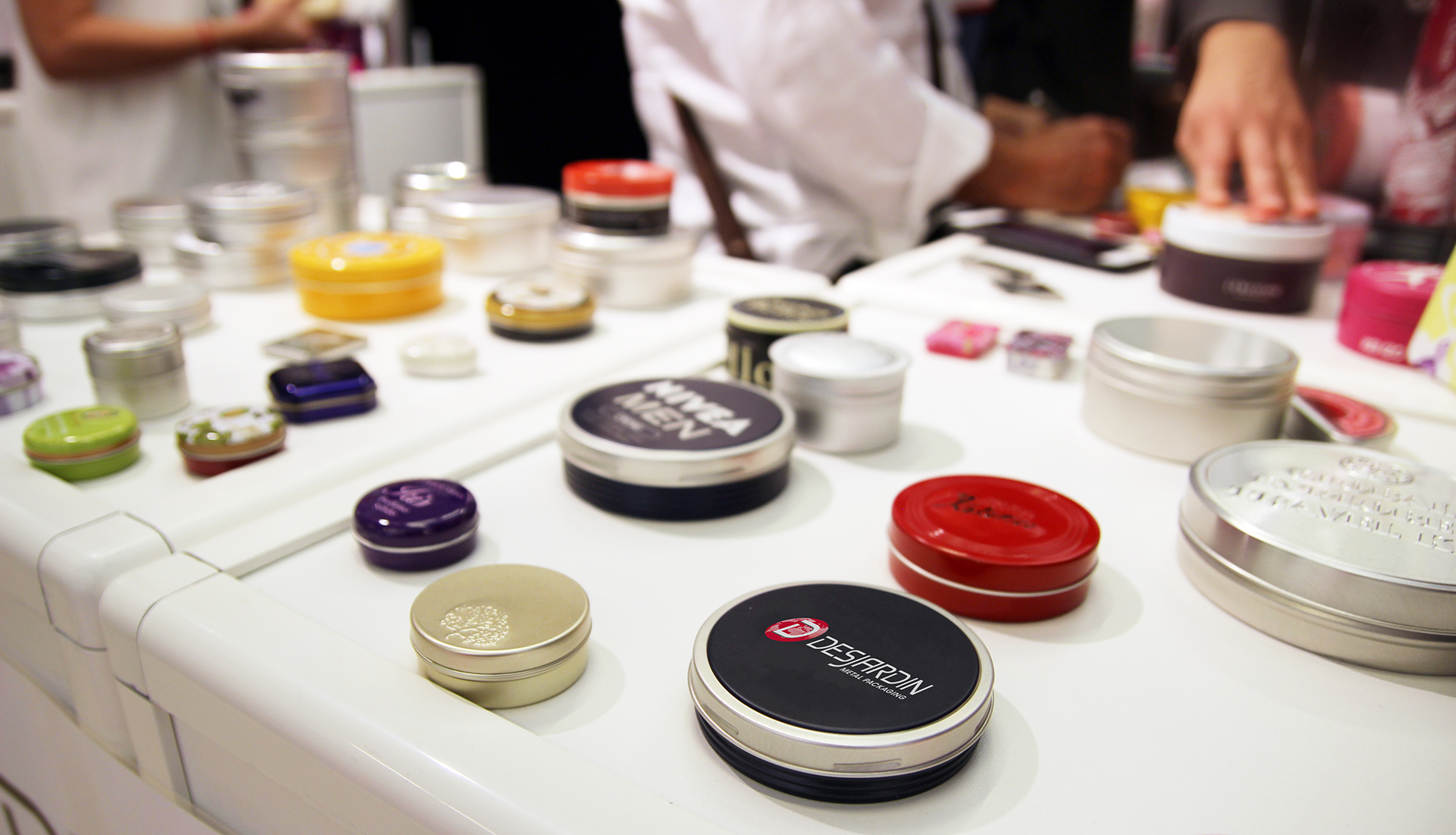
On peut déjà constater qu'un grand nombre de formes d'emballages durables ont commencé à émerger sur le marché. Citons par exemple les bouteilles en métal consignées et les emballages alimentaires biodégradables. Dans le même temps, nous avons également constaté une augmentation des emballages en fer-blanc et aluminium, et on s'attend à une croissance du marché des emballages en aluminium de 20% d'ici 2023. Les emballages en métal sont en effet durables lorsqu'ils sont bien gérés [3,4].
Les polymères et revêtements biodégradables
En plus des matériaux courants pour les emballages durables, l'on peut observer l'arrivée progressive d'autres produits sur le marché. Les polymères et revêtements naturels biodégradables commencent à être utilisés pour les produits périssables. Ces revêtements sont conçus à base de matériaux organiques souvent comestibles. Citons par exemple la membrane surnommée Scoby, fabriquée à base de bactéries et de levure. Ce polymère est d'abord créé par fermentation, et laissé ensuite au repos durant quelques semaines pour lui permettre de croitre en se nourrissant de déchets agricoles. Après cela, il forme une fine membrane utile empêchant le contact entre l'oxygène et les produits périssables [6]. Il s'agit juste d'un exemple de polymères biodégradables conçus pour remplacer le plastique.
Conclusion : une opportunité pour l'environnement et les fabricants
On ne peut ignorer le désir des consommateurs pour des emballages durables. La quantité de métal, de papier et de polymères biodégradables utilisés est en constante augmentation par rapport au plastique ces dernières années. De nombreuses entreprises tentent de répondre à cet intérêt des consommateurs et l'on prévoit un boom sur le marché des emballages produits de manière durable. Une bonne nouvelle pour l'environnement, en même temps que de nouvelles opportunités pour les fabricants de produits emballés.
Learn more about biodegradable and sustainable packaging.
References
[1] “Sustainable Packaging: How do we Define and Measure it ? (2005)”, by Kees Sonneveld.
[2] “Definition of Sustainable Packaging (2011),” by Kees Sonneveld.
[3] “Societal Factors Influencing Packaging.” Packaging Technology and Research (2016), by Claire Koelsch Sand.
[4] “The Social Component of Sustainable Packaging (2009),” by Renee Wever and Erik Tempelman.
[5] “Packaging Waste Statistics” (retrieved January 2019), by Eurostat.
[6] “Roza Janusz grows edible food packaging (2018) ” , by Gunseli Yalcinkaya.
[7] “Environmental Innovation in Industrial Packaging: A Supply Chain Approach (2007),” by K. Verghese & H. Lewis.