At one time, food manufacturers viewed product packaging solely as a way to prevent food from spoiling and to extend its shelf life. But in recent decades, advertisers have embarked on serious psychological research aimed at linking visual stimuli to consumer behavior. Here, we present a few ideas for modern food packaging.
Mixing Variables
An effective way to stay on the cutting edge of food packaging is to stay informed about what has worked, what hasn’t worked, and what hasn’t been tried yet. The key to successful innovation in this field is to continue being inventive while staying within a defined framework—in a thoughtful way—based on what we know about consumers.
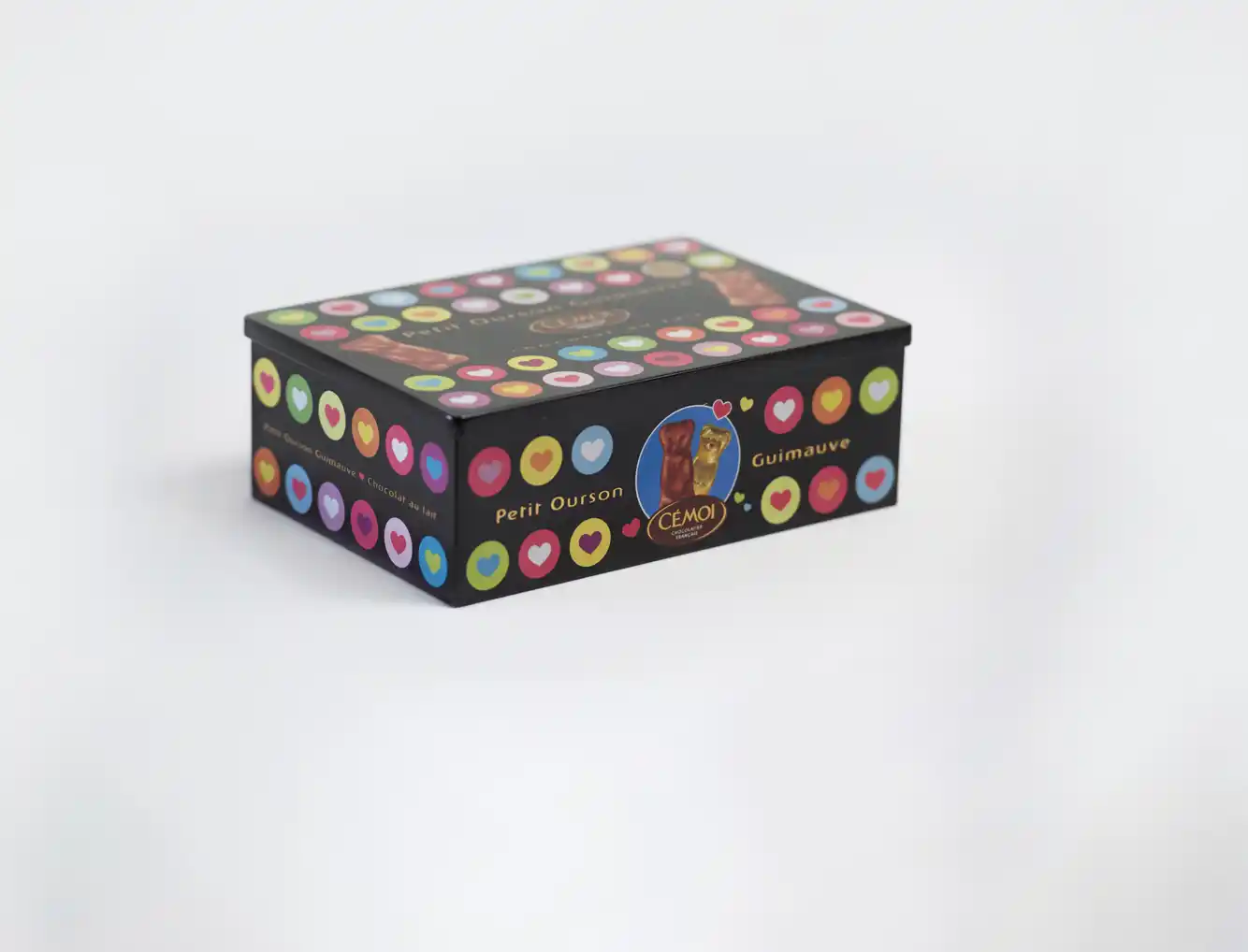
The most visually striking aspects of packaging are its shapes, colors, and sizes. However, there are more subtle variables that can be adjusted to create new packaging designs. This allows us to associate different values and emotions with specific concepts. For example, minimalist and angular designs are perfectly suited for innovative or elegant food products. Fun and playful images are perfect for children’s candy.
Other, less obvious variables include transparency, internal packaging, and the texture of materials. A transparent window in the packaging gives consumers the opportunity to examine the product, which can trigger memories associated with taste, emotion, or satisfaction. Internal packaging must also be as well-designed as the external packaging. The texture of the packaging appeals to the sense of touch, which helps consumers develop a personal connection to the product.
Keep the Design Simple Yet Creative
One of the most universal principles in marketing is to keep designs as simple as possible to make them memorable. At the same time, it’s important to consider the product experience when designing the packaging. The packaging must be consistent with the product—both in terms of what it offers and the experience one has after consuming it.
Designers looking for a competitive edge shouldn’t be afraid to get creative. For example, they can use a variety of shapes and patterns to create unique images. Geometric shapes and unexpected colors, for instance, can help give old packaging a fresh new look. Telling a story through packaging is another effective way to appeal to consumers’ subconscious minds.
Eco-Friendly Ideas
More and more companies, regardless of their respective industries, are embracing sustainability as one of their core values. To promote an eco-friendly image, a key strategy is to make the best use of available space while using as few resources as possible. One of the main messages to convey is waste reduction. Using imagery featuring natural elements will help further reinforce this message.
It’s important to focus on recyclable materials, but another way to stand out is to make the packaging multi-purpose. For example, once the product has been consumed, the customer can use the packaging as a storage container. Let’s also mention a few sustainable ideas that haven’t been widely explored yet, such as edible bags made from seaweed or packaging that can be used as a bowl. Adding a handle to packaging allows it to be stored in a variety of ways.
One of the current trends in the packaging industry is the gradual phase-out of non-biodegradable plastic. Some supermarkets in Europe sell hundreds of plastic-free products, using glass bottles and plant-based materials. Biodegradable plastics can be made from egg whites. Another trend related to sustainable development is the reduced use of solvent-based inks in the printing industry to lower their toxicity.
Modern Packaging Trends
Packaging designers aim to do away with outdated, unnecessary ideas. Appealing to all the human senses is now seen as a winning strategy by the most daring advertisers. When it comes to shapes, designers can now move beyond simple squares and rectangles. Curves lend character and originality to packaging, especially if the package’s shape is completely unique on the market.
Smart packaging has become very important since the beginning of this century, as it incorporates RF technology that enables product traceability. Real-time advertising campaigns synchronized with this smart packaging are one way to further leverage the capabilities of such packaging. Ultimately, a quality product will speak for itself. The more a product becomes an integral part of its packaging, the more consumers will appreciate and remember it. When many similar products are competing in a market, it is best to stand out with packaging that has an unexpected design.
Although many designers appreciate the effects of bright, vibrant colors, please note that black and white are colors that are often overlooked but offer a classic or modern alternative. Limiting the number of colors used is a strategy for creating a more cohesive image. Abstract images offer countless possibilities, limited only by the human imagination.