
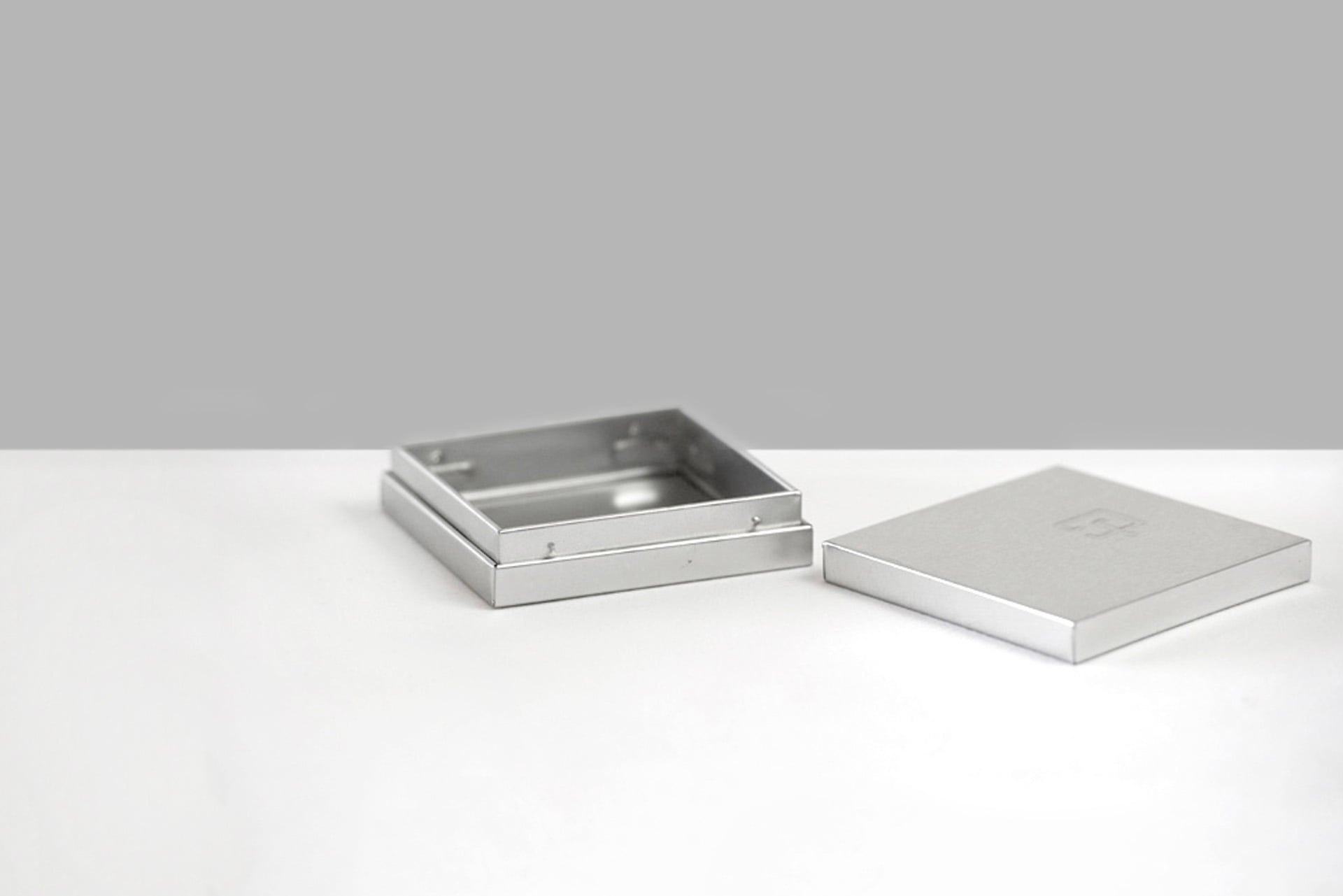
The empathetic aspect of packaging design signals to consumers that the manufacturer understands their feelings about the problem the product solves. This understanding is important given the wide range of online choices available to consumers today at their fingertips. Showing empathy helps a brand stand out and connect more effectively with its followers. Here are some key points to know about incorporating empathy into packaging design.
Exploiting Human Emotions
Human emotions should be a priority for packaging designers, as consumers often fall in love with the packaging. There are various paths to empathy, which conveys a sensitivity to the values of end users. Sometimes, people don’t know the answers to their problems until they see them presented in attractive packaging. To tap into the emotions of a specific market segment, the designer must research the values of the target market. What kind of solutions trigger feelings of relief in this audience?
Based on this understanding of how emotions connect consumers to products through packaging, it is possible to create prototypes for new solutions. In this sense, innovative packaging may lead to stronger emotional connections with products. Even though a new car doesn’t come in packaging, every vehicle is, in itself, a collection of features and parts that can be customized or modified. The modern features of a car help trigger feelings of euphoria by staying on the cutting edge.
A loaf of bread is delivered in flexible packaging, which allows customers to squeeze it to test its softness. Thanks to the texture and feel of the packaging, the customer experiences emotions associated with softness. Hardness is more closely associated with emotional strength, which helps sell toolboxes and items designed for repairing or handling objects.
Why Empathy Plays a Role in Packaging
Empathy is an important consideration in packaging because it pushes consumers past the tipping point where they make decisions based on emotional responses. Empathy encompasses the thoughts, feelings, and experiences commonly shared among people. It is an essential element of packaging that connects to the root of consumer decision-making.
Since packaging plays a major role in shaping a consumer’s perception of a product before they buy it, packaging must convey an emotional message that encourages potential customers to make a purchase. Building empathy with an audience through packaging can be achieved by meeting with a sample of the target market and listening to their concerns. Observing, taking notes, and identifying trends help shape a clear understanding of people’s values and emotions.
Send the Right Emotional Signals
Ideally, people can see themselves reflected in the packaging. In other words, the packaging design is so evocative of the emotions associated with the product’s solution to a problem that the packaging itself becomes the message and the gateway to a better experience. Describing the functional and emotional benefits on the packaging helps build trust. Purchasing decisions become the keys that unlock positive emotions.
One way to convey empathy to a target market is to recognize achievements and associate them with the packaging. Let the packaging be the reward the consumer receives for their accomplishment on their journey to find the right solution. This sense of accomplishment must be linked to the product’s benefits and communicated on the packaging. This forms what is known as “consumer-centered design,” which ultimately tells consumers that it is normal to pursue their interests in order to achieve a sense of well-being.
References
- Charitable Factors in the Design Development Process: Toward an Understanding of Owner-Object Detachment and the Promotion of Object Longevity (2018), by Yoon Choi, John Stevens, Clare Brass