The concept of care factors refers to the human awareness of what needs to be done to take care of something or someone. It is a concept that has influenced packaging designers to create more sustainable packaging. Issues such as waste reduction and environmental protection have become business concerns, as they affect finances and the future cost of resources. Here is an overview of the caring factors related to packaging design.
Key Trends in Packaging Design
Dr. Yoon J. Choi, a professor of product design at Central Saint Martins, University of the Arts London, is an active researcher exploring the possibilities of sustainable design. Her past experience includes working as a 3D packaging designer for various London-based companies. She helps the packaging design industry pay closer attention to charitable details.
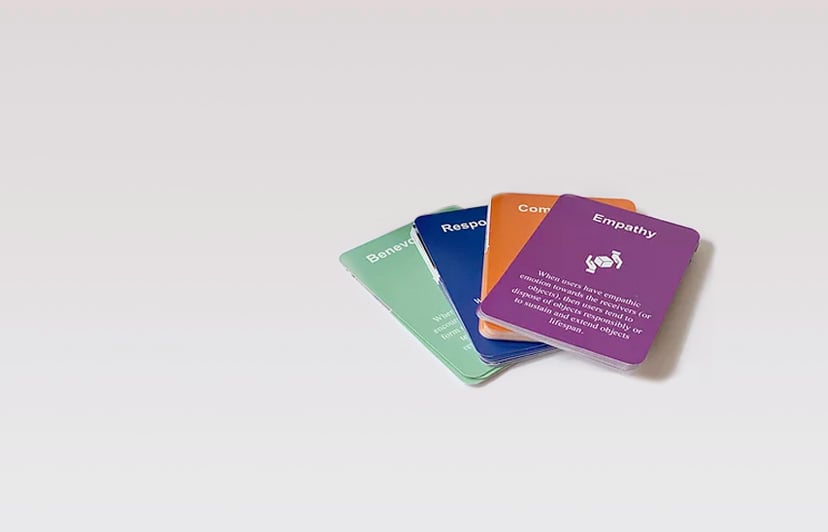
Modern packaging has evolved over the years through analysis aimed at finding more effective solutions. The four main charitable themes are responsibility, commitment, empathy, and compassion. Each of these areas calls for different charitable actions to ensure that consumers receive products safely and effectively, while causing minimal harm to the environment.
Responsibility is an important issue because it encompasses public safety and concern for the broader community beyond corporate profits. Companies often behave more responsibly when they are under scrutiny.
Commitment combines a belief and a dedication to action that provides support for someone or something. It has an ethical nature that suggests loyal support for a cause. Commitment stems from the thoughts, time, and energy invested in making improvements.
Empathy is associated with kindness and compassion through an emotional connection to someone or something. It often relates to societal concerns rather than to individuals. Packaging designers can use empathy to create new, sustainable solutions that could be adopted by the broader market.
Compassion is a charitable mindset that aims to be kind without focusing on any one person in particular. This may involve sharing posts on social media that express empathy for victims of poor working conditions.
How Environmental Issues Will Affect Packaging Sustainability
The four main charitable themes will play an important role in packaging design in the coming years due to the growing emphasis on corporate sustainability. Not only can companies reduce costs and waste by paying closer attention to charitable issues, but they can also contribute to a cleaner ecosystem. Companies, particularly manufacturers, will face stricter regulations in the future, as the processes for safely extracting resources from the environment will become increasingly difficult.
Social concerns are at the heart of sustainability, as consumers share a growing awareness with manufacturers that landfills are increasingly filled with harmful materials. Dr. Choi’s innovative model of sustainability emphasizes the separation of ownership from the object itself, with a focus on the object’s durability. His innovative approach to design involves treating objects as human beings—even providing them with appropriate care when they need it.
Her ideas suggest that charitable factors can be incorporated into packaging design to enhance not only the physical package but also its emotional value. She offers a set of tools for packaging designers to create new designs that incorporate charitable themes.
Due to growing concerns about sustainability, the materials used in modern packaging are shifting toward those that have either been recycled or can be recycled. Inner plastic containers are becoming thinner, while outer packaging is becoming sturdier to reduce losses and waste during shipping. In addition, various metals are increasingly being preferred as clean and durable packaging solutions.
Metal Packaging and Sustainability
The reason metals have been used in commercial packaging for over 300 years is that they effectively protect products from environmental factors such as sunlight and contaminants. Metals such as tinplate have proven to be exceptionally reliable for preserving food and other perishable goods. Not only do they protect food from spoilage, but they also keep containers airtight to preserve freshness.
Another major advantage of metal is that it works well with printing—either directly on the metal or by applying an adhesive label to the surface. A large part of a manufacturer’s sustainability lies in transparency. The more information you provide to consumers on the label, the better they can make an informed decision.
When it comes to the mass production of food products, manufacturers must consider why consumers buy them. Packaging should highlight the product’s benefits and establish a mental and emotional connection between the product, the packaging, and the consumer. Packaging should tell consumers everything they need to know about a food product, such as its ingredients, nutrients, and vitamins.
Relationships with Objects
Understanding the relationship a consumer has with a product is essential to improving the sustainable aspects of products and packaging. Every product has a certain lifespan that eventually comes to an end. Consumers must then decide what to do with these items that no longer serve a practical purpose. As a result, these items are often stored in a closet, taking up space. In the case of food products, consumers might keep the containers to reuse them.
To reduce clutter in their homes, consumers must ultimately let go of items that have lost their usefulness, aesthetic appeal, or emotional value. This detachment will allow them to free themselves from the accumulation of unnecessary items in storage spaces. The accumulation of offices or garages filled with junk is generally the result of persuasive forces in the world of mass production.
The new perspective emerging among consumers regarding mass production is that there is so much of it that people need to pay attention to sustainable solutions such as recycling. In recent years, the tech industry has provided a double-edged sword for sustainable solutions. On the one hand, technology offers innovative solutions for sustainability, such as IoT sensors that monitor large manufacturing systems. On the other hand, demand for new, trendy tech gadgets continues to grow.
Tech gadgets are examples of items to which consumers become emotionally attached. But eventually, a new model with new features prompts consumers to forget about the gadget they bought a few years ago and replace it with a new one. Similarly, some people hold on to old devices, even when they start to malfunction.
But when people practice emotional detachment from objects, it can actually extend the object’s lifespan, according to Dr. Choi and other researchers exploring the relationships between humans and objects. Ultimately, keeping objects and the materials they’re made of in circulation leads to better, more sustainable solutions for supply chains and society.
Conclusion
It is now essential for packaging designers to learn as much as possible about how to communicate with consumers through packaging. Sustainable values can become an integral part of packaging design and messaging. When sustainable values are applied to packaging to reduce waste and encourage recycling, many consumers feel more positive about the packaging.
References
- Factors Affecting the Design Development Process: Toward Understanding Owner–Object Detachment and Promoting Object Longevity (2018), by Yoon Choi, John Stevens, and Clare Brass