L'histoire de l'emballage à travers les âges
L'être humain a commencé à emballer les produits il y a 3500 ans en Egypte. A l'époque, le transport de nourriture et de boissons étaient les seuls objectifs. Ces emballages étaient fabriqués à partir de produits naturels, tels que des feuilles, des peaux d'animaux ou des coques de noix de coco. Au fil du temps, ces emballages se sont développés et les Egyptiens ont commencé à utiliser des récipients en verre vers 1500 av. J.C. Il faut attendre jusqu'à Napoléon et les années 1800 pour voir apparaitre les boites de conserve. A partir de là, le développement des emballages s'est accéléré avec l'invention des sacs en papier en 1850, des boites dans les années 1870, des récipients en carton en 1906, des conserves en 1935 et des récipients en plastique à la fin des années 1940. A leurs débuts, les récipients étaient pour la plupart sans marque, conçus uniquement pour leur aspect fonctionnel et non leur aspect esthétique.
L'apparition du branding
Les récipients étaient pour la plupart fabriqués en bois et métaux réutilisables, sur lesquels il était difficile d'imprimer ou de placer des étiquettes. Ceci changea en 1896 lorsque NABISCO créa une des premières campagnes de publicité au niveau national accompagnant un design d'emballage. Elle montrait un petit garçon portant un imperméable jaune, qui resta emblématique de la marque NABISCO jusqu'à son abandon en 2008 [1,2]. Par la suite, des produits comme Coca-Cola et Procter & Gamble arrivèrent sur le devant de la scène avec des emballages parfaitement conçus. Depuis lors, les emballages et les designs uniques sont devenus courants en même temps que le développement des nouvelles technologies permettant une impression et une production plus simples, ainsi que l'utilisation de matériaux plus pratiques [3]. Le design d'emballage est devenu essentiel pour vendre des produits et les consommateurs associent maintenant les produits avec leurs logos, leurs couleurs et leurs emballages.
Les deux grands domaines du design d'emballage
Le design d'emballage peut se résumer à deux domaines principaux, les éléments visuels et les éléments informatifs. Les éléments visuels regroupent des choses comme les illustrations, les couleurs, la taille et la forme. Celles-ci sont typiquement les premières choses qu'un consommateur remarque à propos d'un emballage, et peuvent souvent attirer leur attention. Les éléments informatifs comprennent les étiquettes ou les textes utilisés pour communiquer des informations à propos du produit. Il s'agit par exemple de la liste d'ingrédients ou des informations nutritionnelles sur les produits alimentaires. En général, ceux-ci fournissent des informations au consommateur, les aidant à prendre une décision informée sur le produit. Un emballage idéal utilise des éléments visuels attractifs accompagnés d'éléments informatifs [4].
L'emballage, un outil de fidélisation plus puissant que la publicité
Des études ont démontré que le design des emballages influence les consommateurs davantage que les publicités [4]. En effet, les emballages offrent aux entreprises l'opportunité de modeler une marque autour de leur produit, permettant de créer une base de consommateurs sur le long terme. Lorsque les consommateurs sont satisfaits d'un produit, ils seront en général loyaux envers ce produit à moins qu'ils ne trouvent une meilleure alternative. En créant une marque autour du produit, l'on peut rappeler aux consommateurs l'offre et de nouvelles campagnes de publicité peuvent être lancées pour maintenir l'intérêt de ces consommateurs sur le long terme [5,8]. Starbucks en est un bon exemple. Ils ont créé une marque autour de leurs cafés et introduisent régulièrement des nouvelles variétés, comme les chai latte et caramel macchiatos. Les consommateurs de longue durée de Starbucks seront plus enclins à acheter ces nouvelles variétés et à rester intéressés par ces produits. Le design de l'emballage est aussi une façon d'attirer de nouveaux consommateurs. Une étude récente a montré que 73% des gens décident du produit qu'ils vont acheter uniquement lorsqu'ils sont déjà au magasin [4]. Il est donc important d'avoir un design d'emballage qui augmente la probabilité du produit à être choisi.
Les tendances actuelles du marché de l'emballage
Le marché de l'emballage est en constante mutation et se concentre aujourd'hui sur quelques composants principaux.
L'emballage responsable et durable
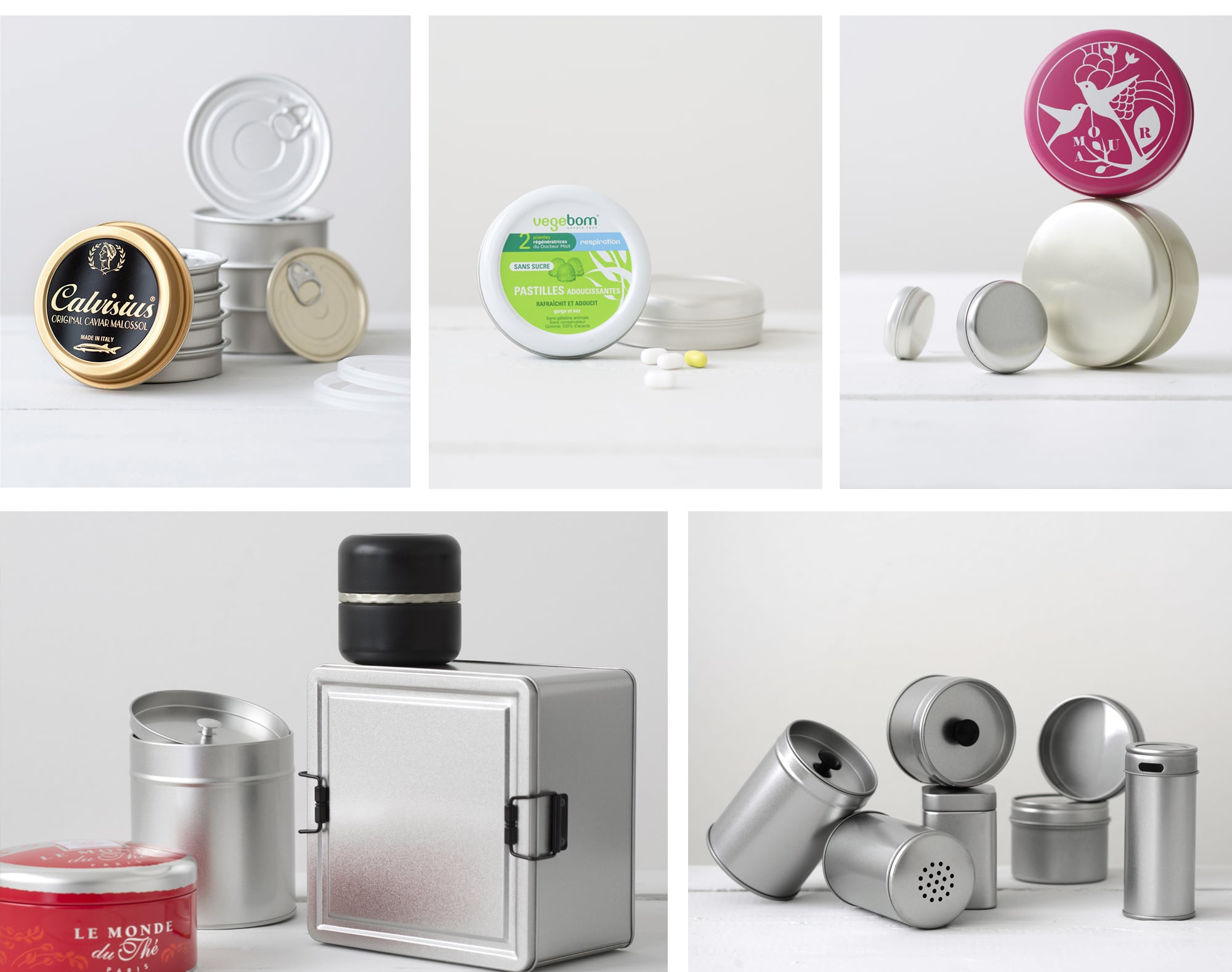
L'emballage responsable et durable est de plus en plus mis en avant. Il s'agit d'emballages qui insistent sur les matériaux réutilisables produits de manière respectueuse de l'environnement. Les emballages en fer-blanc et aluminium sont de plus en plus populaires.
Les formes uniques
Un emballage à la forme unique est un autre facteur de succès dans le marché actuel. Ce genre de design offre aux consommateurs un élément de neuf aux produits perçus comme vieillots. Ce genre de formes sont également devenues plus simples à produire ces 20 dernières années avec l'invention de logiciels permettant la création d'étiquettes anamorphiques qui peuvent être facilement appliquées à des surfaces courbées [7]. Citons par exemple les boissons Buzz Ball, qui sont des boissons alcoolisées vendues dans des récipients en plastique arrondis possédant une fermeture semblable aux canettes.
Les emballages connectés
Le consommateur attend également beaucoup de la technologie, notamment au niveau des emballages connectés. De nombreux emballages ont commencé à être vendus avec une application mobile qui fonctionne en concert avec leur produit. Timberland offre ainsi maintenant une « cabine d'essayage virtuelle » où les gens peuvent s'admirer portant différents produits Timberland.
L'aspect pratique
Enfin, l'aspect pratique est de plus en plus important. Les consommateurs désirent des choses faciles à utiliser et disposant d'instructions directes. On peut par exemple voir cela dans les produits alimentaires vendus en sachets tenant debout, avec 61% des consommateurs déclarant préférer les snacks vendus dans de tels sachets par rapport à ceux vendus en sachets normaux [2,6].
Conclusion : un outil marketing incontournable
Le design d'emballages est un outil de marketing crucial pour toutes les entreprises. Il va bien au-delà du fait de simplement acquérir de nouveaux clients pour un produit, mais aide à construire une marque pour retenir ces clients. Il s'agit également d'une activité importante dans presque toutes les industries, et elle doit donc être planifiée correctement avant la commercialisation d'un produit sur le marché.
References
[1] “A Brief History of Packaging” (2017), by Kenneth R. Berger.
[2] "History of Packaging" (retrieved in April 2019), by Digimarc Corporation.
[3] "The Evolution of Packaging Design" (accessed April 2019), by Designhill.
[4] "The Importance of Packaging Attributes: A Conjoint Analysis Approach." (retrieved April 2019), by Silayoi, Pinya, and Mark Speece.
[5] "The Influence of Package Design on Consumer Purchase Intent"(2018), by Angela Fraser.
[6] "Why Packaging Design Is Just as Important as Your Product" ( 2018), by Tina Lombardo
[7] "Top Five Trends in Packaging Design" (retrieved April 2019), by Accurate Creative 2019
[8] “Impact of Product Packaging on Consumer's Buying Behavior” (2014), par Ahmed, Rizwan, etVishnu Parmar.