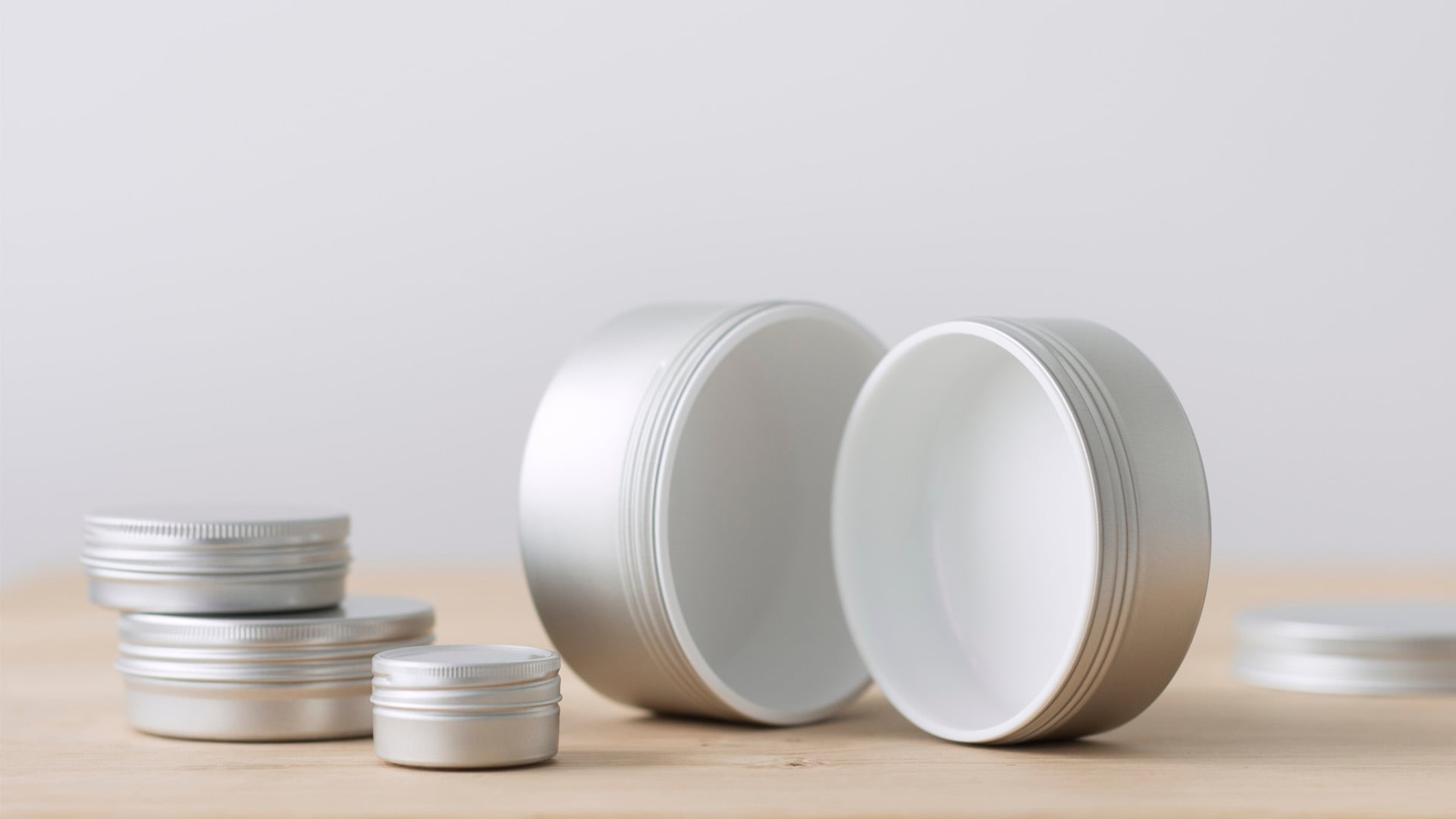
Over the past 10 years, biodegradable packaging has become a viable alternative to plastic packaging. Biodegradable materials are made from biopolymers, which are polymers derived from natural molecules. They are often used in combination with metal containers to help seal perishable goods such as food or cosmetics. In these metal containers, these materials take the form of films, coatings, and pouches.
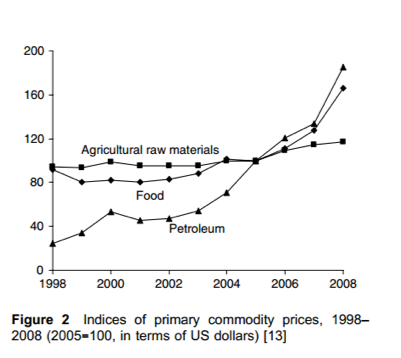
The use of plastic products has grown exponentially over the past 20 years. This increase in plastic use has contributed to a corresponding rise in the price of oil. The price of oil has now even surpassed that of food and raw agricultural products. This rise in oil prices has prompted more and more manufacturers to use biodegradable materials in their packaging, as these are made from cheaper raw materials [1]. Biodegradable packaging is generally viewed as a better alternative to plastics. However, even if this proves to be the case, these biodegradable materials have both positive and negative effects on human health and the environment.
Environmental Health
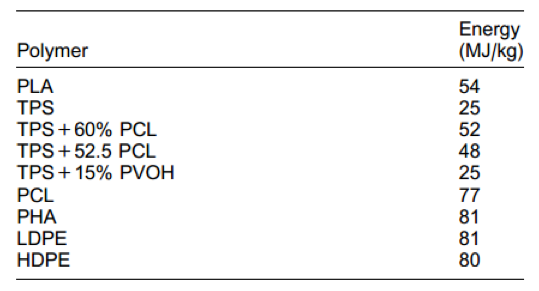
A product’s environmental impacts are determined through a life cycle analysis (LCA). This analysis examines all of a product’s impacts, from its production through its complete decomposition [1]. Biodegradable polymers are better for the environment than plastics in virtually every respect. They require less fossil fuel, produce less wastewater, create less air pollution, and cause less damage to the functions of natural ecosystems. One of the major problems with plastic production is the amount of energy it requires, which causes greenhouse gas emissions and contributes to global warming. It has been proven that the production of biodegradable polymers requires significantly less energy than that of plastic—between 25 and 54 MJ/kg of energy, compared to 77–81 MJ/kg for plastics [1] [2] [3].
Although these biodegradable polymers are much better for the environment than plastics, they still have some negative effects. The production process requires fossil fuels, which contribute to global warming. Furthermore, the overharvesting of agricultural products for polymers can cause problems for natural ecosystems by forcing a monoculture system. Monoculture can lead to a decline in a region’s soil fertility, reducing crop yields. Finally, as demand for biodegradable packaging increases, the demand for agricultural products used in its production will rise accordingly [1] [4]. This demand will, in turn, need to be met by increasing agricultural yields, requiring more land to be devoted to farming and thereby altering natural ecosystems.
Santé Humaine
Research is ongoing regarding the effects of biopolymers on human health, but certain trends are already emerging. It has been shown that carbon-chain-based biopolymers have no negative effects on humans and terrestrial animals. As for aquatic life, these biopolymers reduce oxygen uptake through the gills. Overall, they break down into relatively harmless compounds with minimal direct effects on health.
Most of the negative health effects of biopolymers are indirect. As with all forms of production that emit greenhouse gases, biopolymer production generates smoke, which can cause respiratory problems such as asthma. They can also cause cancer and other diseases. Fertilizers are ingested by the workers who apply them, by consumers who eat them, and through the consumption of contaminated water [8].
Both biopolymer and plastic production have negative health impacts linked to the use of fossil fuels, although these impacts are less significant in the case of biopolymers. Fewer greenhouse gas emissions mean fewer chronic diseases, such as cancer and malnutrition [7]. Currently, 12% of the world’s population is undernourished, and climate change is only exacerbating the problem. Furthermore, severe malnutrition among children is increasing at an alarming rate, for example in South Asia, where nearly 17% of children under the age of 5 are affected [6].

Biopolymers break down into natural polymers, unlike plastics. Plastics can take hundreds of years to decompose, often releasing toxic compounds during this process. Toxins from plastics kill beneficial bacteria found in various environments and cause bioaccumulation in fish [9]. Biopolymers are natural molecules commonly found in nature. They do not release toxins and are easily assimilated by natural ecosystems [4].
Biopolymers and biodegradable packaging have a wide range of negative and positive effects. As a common alternative to plastic, they have a smaller carbon footprint. Furthermore, their health effects are minimal, and they do not directly cause health concerns in humans. That said, their production still relies on fossil fuels and promotes the use of harmful fertilizers and pesticides. It is widely recognized that biodegradable packaging, particularly when used in conjunction with other forms of metal packaging, is a good alternative to plastic.
Learn more about sustainable packaging.