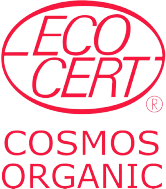

The COSMOS standard provides international guidelines for the industry, intended for manufacturers and distributors of organic and natural cosmetics, and certifies compliance with these standards.
What is COSMOS?
The minimum criteria for organic and natural certifications in Europe were established by COSMOS, which stands for COSMetics Organic and Natural Standard. It was established by the following five members:
 BDIH (Germany)
- Cosmebio (France)
- Ecocert Greenlife SAS (France)
- ICEA (Italy)
- Soil Association (Great Britain)
The five members met in 2002 at the Biofach international organic trade fair in Nuremberg to collaborate on the development of a single standard that would merge the individual standards for organic and natural cosmetics. Sharing these ideas brought the organizations closer together and enabled them to reach an agreement on their objectives. The COSMOS standard was publicly launched in 2008 and took effect in January 2010.
Contents of the COSMOS Standard
The five COSMOS members have based their collective approach on the Ecocert standard, which covers various aspects of organic agriculture and manufacturing processes. COSMOS not only promotes organic ingredients but also prioritizes sustainability as the key consideration in production and manufacturing processes. This means using materials that are environmentally friendly and safe for human health. COSMOS is also working to develop the concept of “green chemistry.”
One of the standard’s most important principles is respect for the environment. It emphasizes economic efficiency, which is part of this ecological vision; using fewer materials—and thus generating less waste—is an integral part of an ecological solution. The standard also emphasizes organic products and stresses biodiversity. It identifies five categories of ingredients and how they should be used. These categories are water, minerals, chemically and physically processed agricultural ingredients, and various other ingredients.
The COSMOS standard consists of three documents: the Control Manual, the Labeling Rules, and the Technical Guide. The standard’s appendices provide further details regarding ingredients, treatments, chemical reactions, and other processes related to agricultural ingredients. The appendix also delves into the following topics:
- Total composition of organic content
- cleanliness of storage, manufacturing, and packaging
- environmental management
- clarity of product labeling
- inspection, certification, and annual inspection
Certification and Labeling Criteria

To obtain authorization to use the COSMOS standard for a cosmetics brand, companies must first register with COSMOS Standard AISBL. Desjardin offers cans with screw-on lids made of COSMOS-certified aluminum. They have received written authorization confirming compliance with COSMOS standards from the French certification body EcoCert. Using Desjardin’s certified packaging will streamline the certification process for cosmetics manufacturers, as the packaging certification has already been granted and documented.
Approval of the product label is also part of the certification process. This label cannot be printed and released to the market until full approval has been obtained from the COSMOS certification body. The certification body must also be notified by the manufacturer or distributor whenever they wish to modify a product or its labeling. They must therefore wait for authorization from the certification body.
When a supplier wishes to change the organic ingredients or the percentage of organic content, it must first obtain written authorization to amend the certificate. The product must be included in the list of COSMOS certifications prior to launch. Any failure to comply with the certification body’s recommendations for a product may result in a request to withdraw those products. A product’s label must clearly state the name of the certification body, the nature of the certification, and other details.
4 Different Cosmos Signatures
The COSMOS standard provides various signatures and labels. They must always be displayed alongside the logo of the association, standards body, or certification body that certified the product. This body must be a member or an accredited member of COSMOS-standard AISBL.
- COSMOS ORGANIC Certification: Products certified organic under the COSMOS standard
- COSMOS NATURAL Label: Cosmetics certified as natural by the COSMOS Standard
- COSMOS CERTIFIED label: cosmetic ingredients with organic content certified by the COSMOS Standard
- COSMOS APPROVED label (not required): ingredients for cosmetics without organic content that are permitted for use in products certified under the COSMOS standard.
References and Further Reading
- General Articles: Cosmetic Packaging (2016–present), by Aex Cosper and Dawn M. Tuner
- The Cosmos Standard Website (2018)
- The Cosmos Standard Document (2013), cosmos-standard.org
- COSMOS-standard AISBL Control Manual - Authorization Procedure for Certification Bodies (2014), cosmos-standard.org
- COSMOS Standard Labeling Guide (2017), cosmos-standard.org
- COSMOS-standard Technical Guide Version 2.11 (2017), cosmos-standard.org