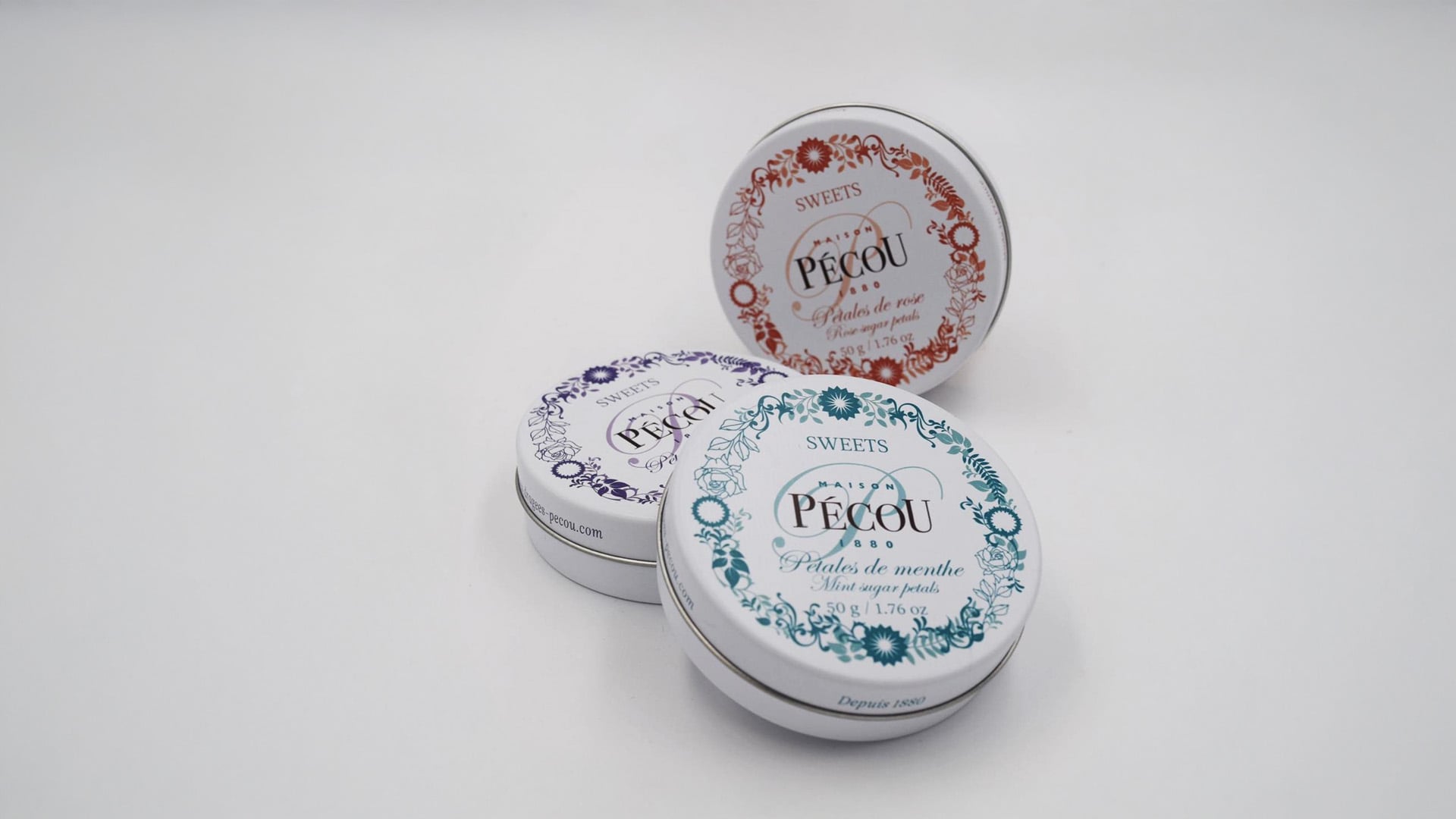
Human eyes are naturally drawn to shiny objects, making metal a top choice for product packaging. The shine results from light energy exciting free electrons that move in various directions across metal surfaces. The smoothness of the metal accentuates its shine, also known as “luster.” Here is a glimpse into the fascinating science that links consumer attention to shiny metal packaging.
Stages of the purchasing process
When consumers enter a supermarket, they often notice the colorful fruits and vegetables first, which are usually displayed without packaging. They sometimes wait to buy them last to keep them fresh until they get home. The same is often true for chilled beverages and frozen foods. Meanwhile, the first items they put in their carts are often fully packaged foods that do not require immediate refrigeration.
It makes sense for the average consumer to choose the best-preserved items first. They often spend more time in the canned goods aisles, while they generally move more quickly through the fresh food aisles. As they walk through the canned goods aisles, consumers are more relaxed and willing to take the time to compare options. The shiny appeal of the metal catches their attention, reminding them just how effective this packaging is at preserving taste and freshness.
Reflected light waves
When people see the shine of metal, what they are actually seeing is the reflection of light. Positively charged electrons absorb energy from the light source, and their vibrations then generate a secondary wave of light emitted by the surface. The degree of luster depends directly on the object’s ability to reflect light, which is based on the absorption of photons at visible frequencies. The number of free electrons that respond to light and their atomic arrangement determine the intensity of the luster.
The reason gold and silver shine brighter than aluminum is that they have a greater number of free electrons that interact with light. Gold retains its luster longer because it undergoes fewer chemical reactions with the air. Metals, which share their electrons more freely than less reactive materials, stand out for their luster. Conversely, nonmetals lack luster because they have few free electrons in their outer shells.
The Psychology of Shiny Objects
Why are humans naturally drawn to shiny objects like metal? According to a study published in the Journal of Consumer Psychology, this attraction may be linked to a fundamental need for fresh water. People appear to make strong psychological associations between a shiny appearance and the freshness of water, leading them to perceive shiny metal packaging as “moister” than matte surfaces.
According to a study by the National Institutes of Health, shiny packaging on food products can also enhance the taste experience. However, excessive shine may lead some consumers to perceive the food as too fatty or overly processed, causing them to doubt the product's authenticity.
On the other hand, shiny packaging has the advantage of being associated with cleanliness. The more mirror-like the shine, the more the material is perceived as high-quality.
In-Store Lighting Factor
Lighting in retail stores also influences how consumers perceive metal packaging solutions. The combination of contrast and color temperature can affect consumers’ attention and excitement, but contrast alone plays a more significant role in their enjoyment and purchase intent.
Overall, it is clear that the sheen of metal attracts consumers to certain products under certain conditions. This perception varies among individuals and depends on the personal associations they have developed over time. In-store lighting adds another variable, though it does not have a universal effect on all shoppers.
For many consumers who care about sustainability, the appeal of metal goes beyond its appearance. Metal is deeply associated with strength and durability—important qualities that influence purchasing decisions.