QR (Quick Response) codes have come a long way since their creation in 1994. Originally designed for tracking automotive components, these two-dimensional matrix barcodes have become ubiquitous tools for storing and retrieving information. With the ability to store a wide range of data types—including numeric, alphanumeric, binary, and special characters—QR codes have moved beyond industrial applications to expand into sectors such as retail, healthcare, and advertising.
Compatibility with Metal Packaging
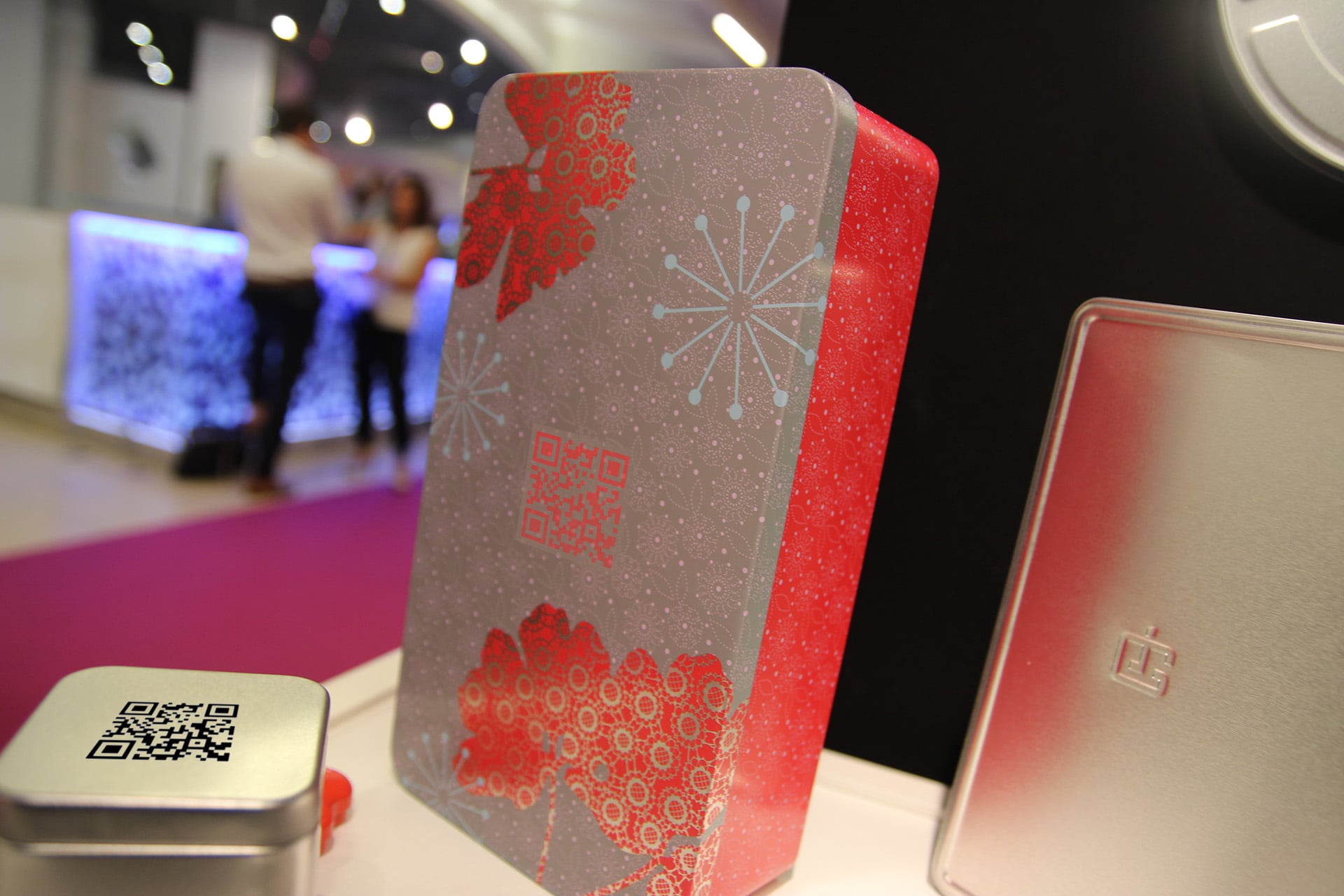
In the field of metal packaging, the versatile nature of QR codes has paved the way for ingenious applications. Desjardin, a pioneer in metal packaging solutions, offers a wide range of materials, shapes, and closures. This diverse portfolio provides an ideal platform for integrating QR codes. Whether stamped onto tin cans or laser-engraved onto aluminum packaging, QR codes retain their integrity and readability. This durability is crucial, given that metal packaging must often withstand varying conditions such as temperature fluctuations and physical impacts.
Benefits for Manufacturers
Manufacturers can derive significant benefits from incorporating QR codes into their packaging. For one thing, these codes can serve as advanced tracking tools throughout the supply chain, providing real-time data on the location and status of goods. In addition, QR codes can streamline inventory management, offering a more efficient system for tracking inventory.
Another notable application is in the field of marketing. Manufacturers can embed QR codes that direct consumers to dedicated web pages offering detailed information about the product, its origin, and even recipes or usage tips. This not only enhances consumer engagement but also provides manufacturers with valuable data on customer interactions and preferences.
Benefits for Consumers
For consumers, the presence of a QR code on packaging transforms their experience from a simple transaction into an informed interaction. Scanning a QR code can reveal a wealth of information, ranging from product ingredients to ethical sourcing practices, thereby helping consumers make more informed purchasing decisions. In addition, QR codes can facilitate restocking, direct consumers to customer service, or even offer an augmented reality experience that allows them to visualize the product in different contexts.
In the food packaging industry, QR codes can serve as a safety measure, providing details about a product’s origin, storage conditions, and expiration dates. Since Desjardin’s metal packaging is often used in the food industry—where protection against contaminants, bacteria, and moisture is essential—QR codes can provide an additional layer of assurance for consumers.
Abstract
In summary, the integration of QR codes into metal packaging goes far beyond simple labeling. By leveraging this technology, manufacturers can achieve high levels of operational efficiency and consumer engagement. At the same time, consumers benefit from an enhanced experience, with immediate access to detailed product information. As companies like Desjardin continue to innovate in packaging solutions that blend tradition and innovation, QR codes stand out as a compelling example of how digital technology can deliver tangible benefits to both ends of the consumer spectrum.